
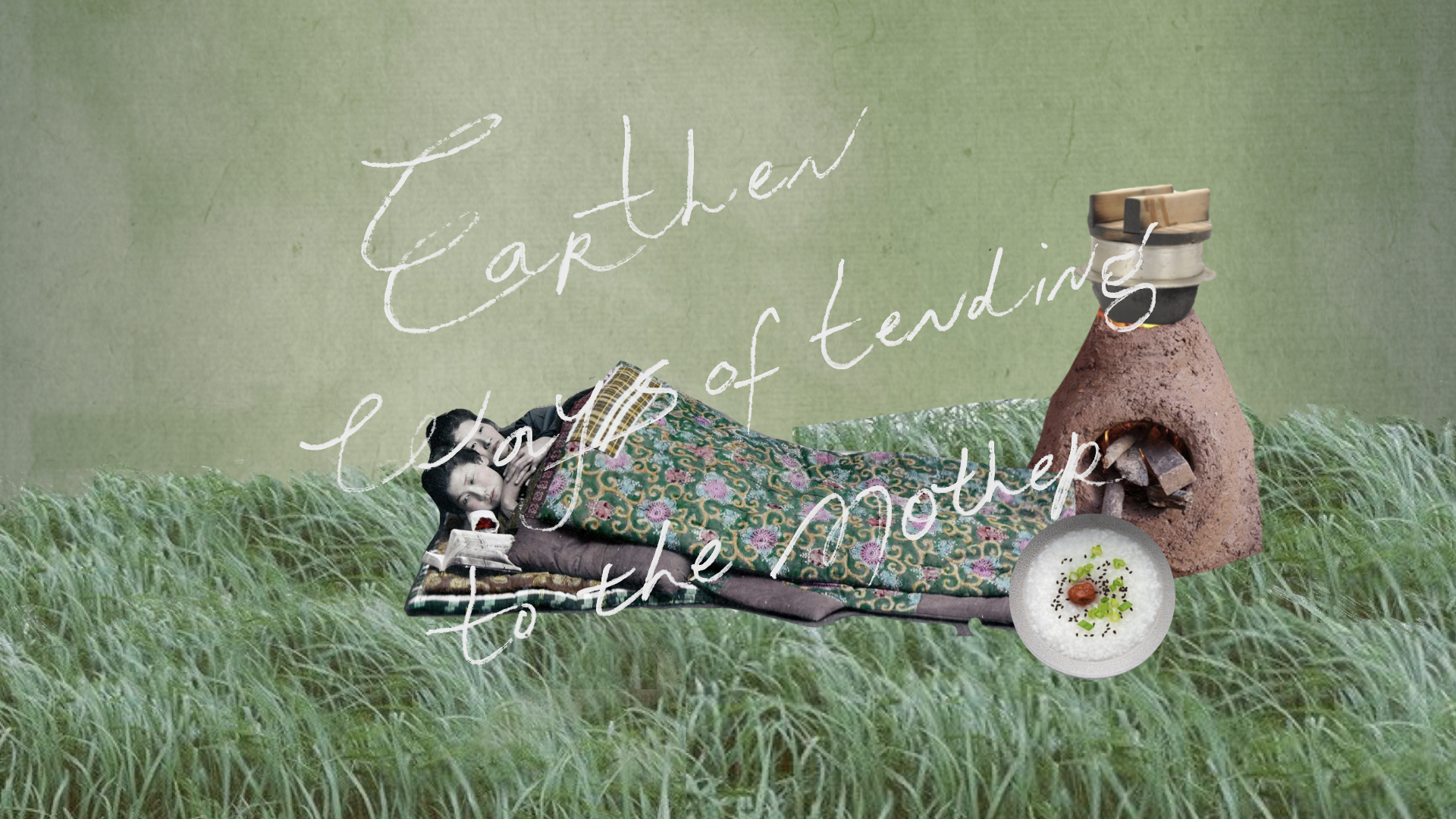
East Asian folk ways of tending the postpartum mother from hearth and land
And an invitation to remember your own inheritances of care
ONLINE IMMERSION - 6 live classes
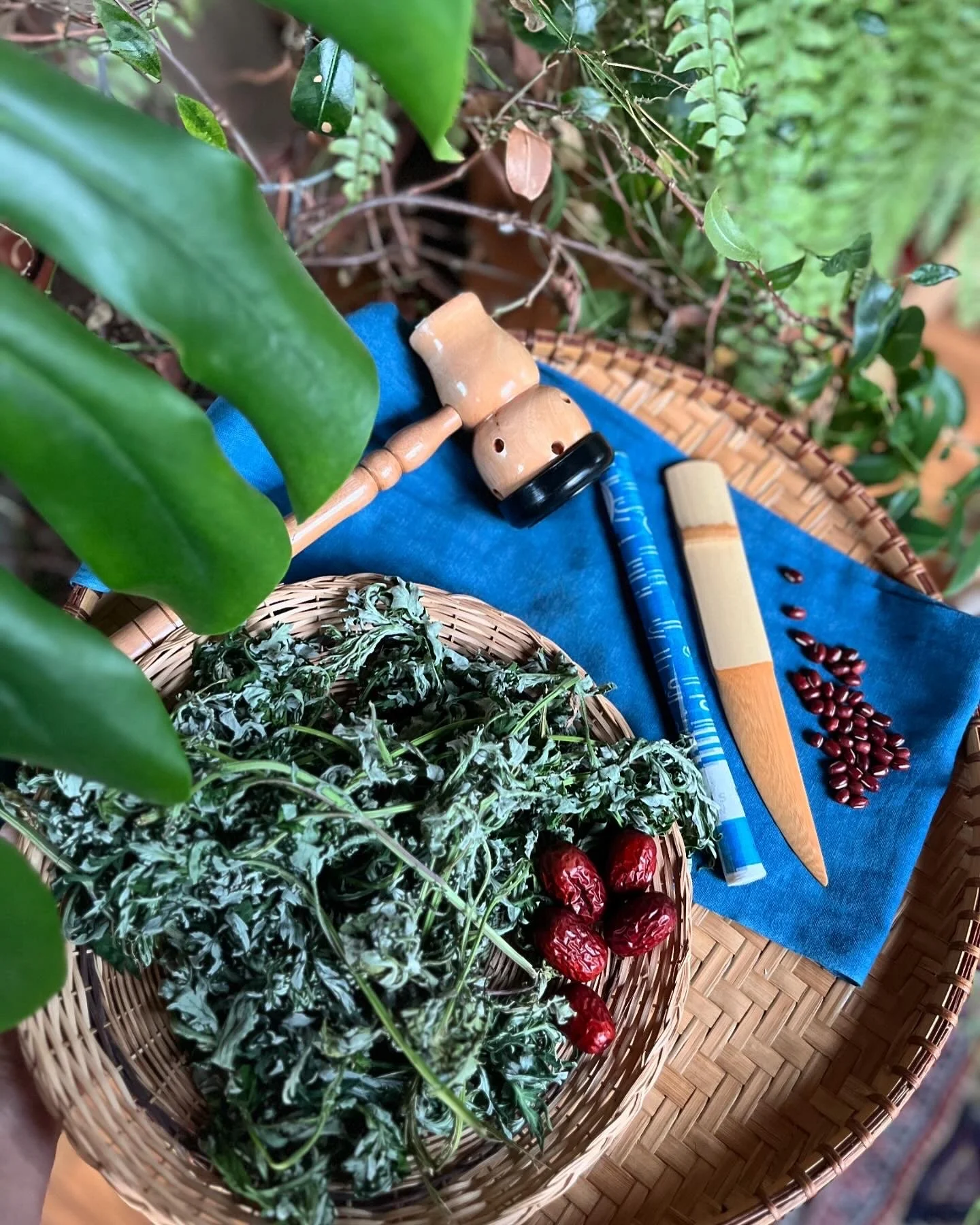
In this course, we explore East Asian folk ways of tending pregnancy, postpartum, and our wombs through practices of hearth, food, body, and land.
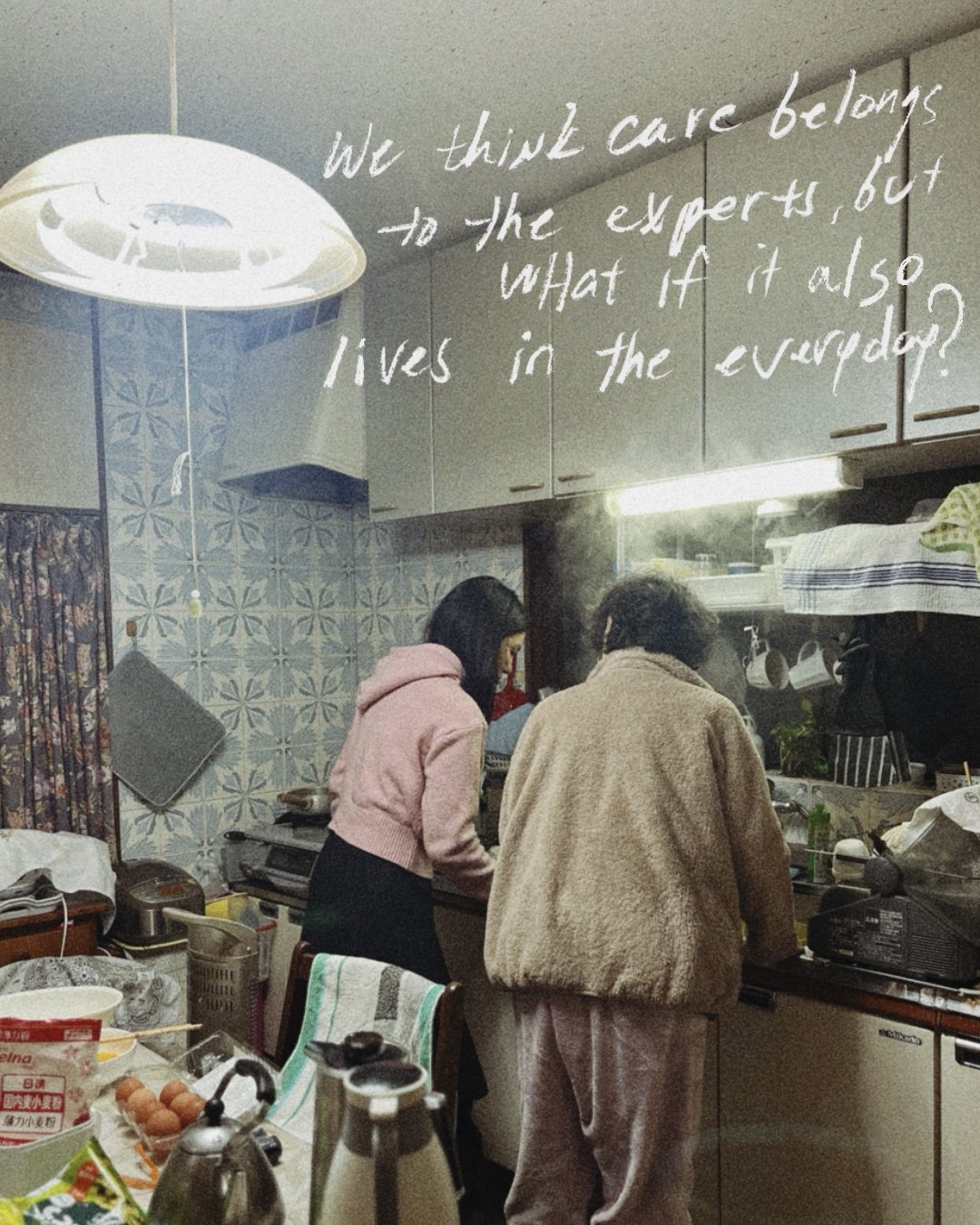
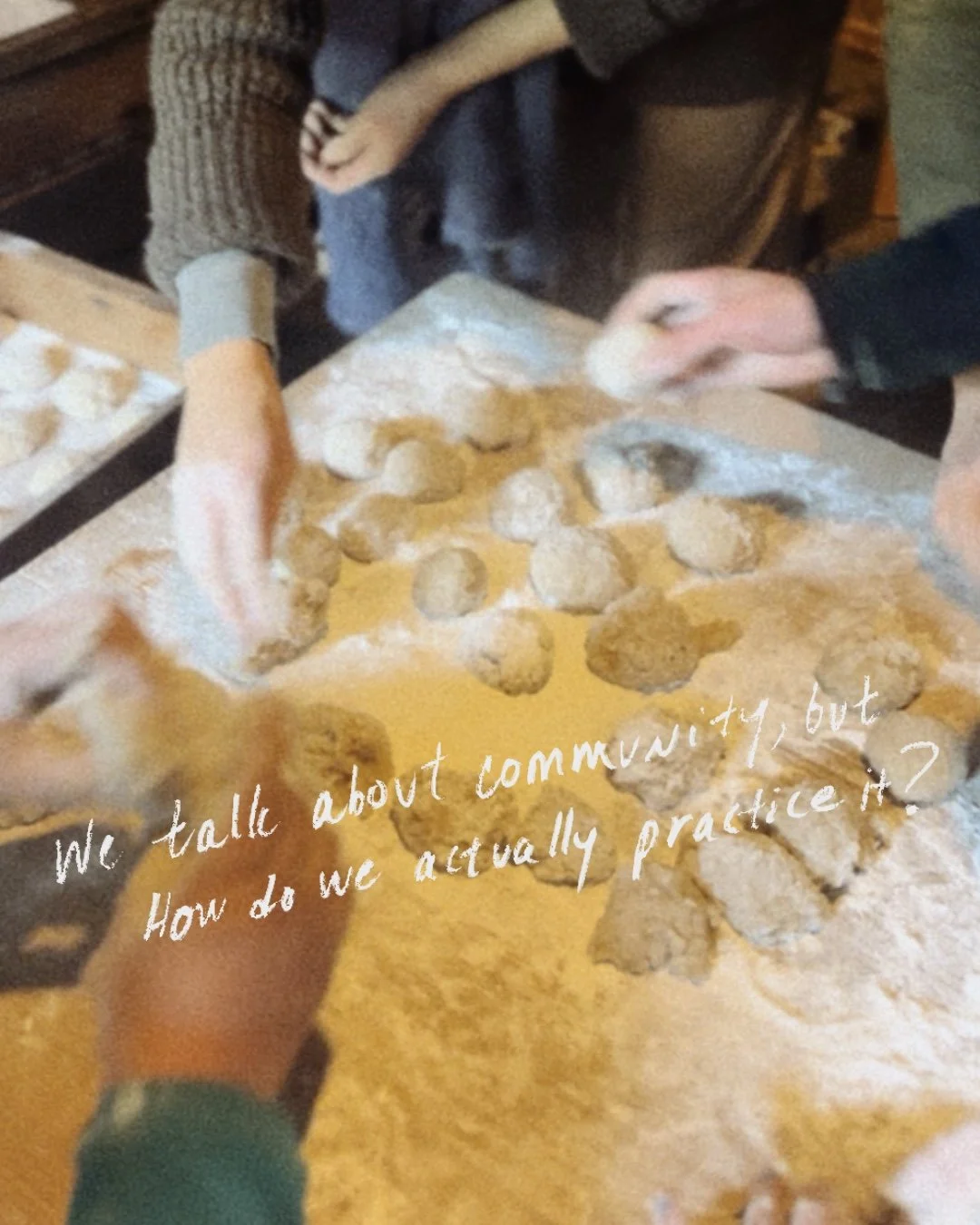
Many of us long for a sense of village, yet community is no longer something we are simply born into or stumble upon. In many ways, this course is an ongoing inquiry into how we weave ourselves into belonging - not as something we find, but as something we practice, through everyday acts of tending to each other.
The knowledge shared is rooted primarily in Japanese and Korean folk traditions, with some elements of Thai yufai. These are folk ways of tending from the hearth and land - practiced through everyday tools like hands, warmth, cloth, salt, and plants.
You’ll also be invited to reflect on your own inheritances of care in relation to lineage, the landscapes you inhabit, and lived experience. In this way, the course is both practical knowledge share and cultural/diasporic inquiry.
This course is open to everyone, not just birth workers. Tending to our wombs and caring for the mothers are essential skills that belong in the hands of the people, as living forms of community care.
These practices are not just remnants of the past, but seeds for creating new ways that are rooted, relevant, and expansive enough to hold our present-day multicultural realities.
DATES
August 6th
August 13th - break for obon
August 20th
August 27th
August 31st*
September 3rd
September 10th
Live calls on Thursdays 9am JST / Wednesday 8pm EDT
*One class on Monday 9am JST / Sunday 8pm EDT
This is a limited space gathering
to support presence and meaningful exchange
What we will explore:
WEEK 1 - HEARTH & RITUAL
The hearth as a cosmology of care
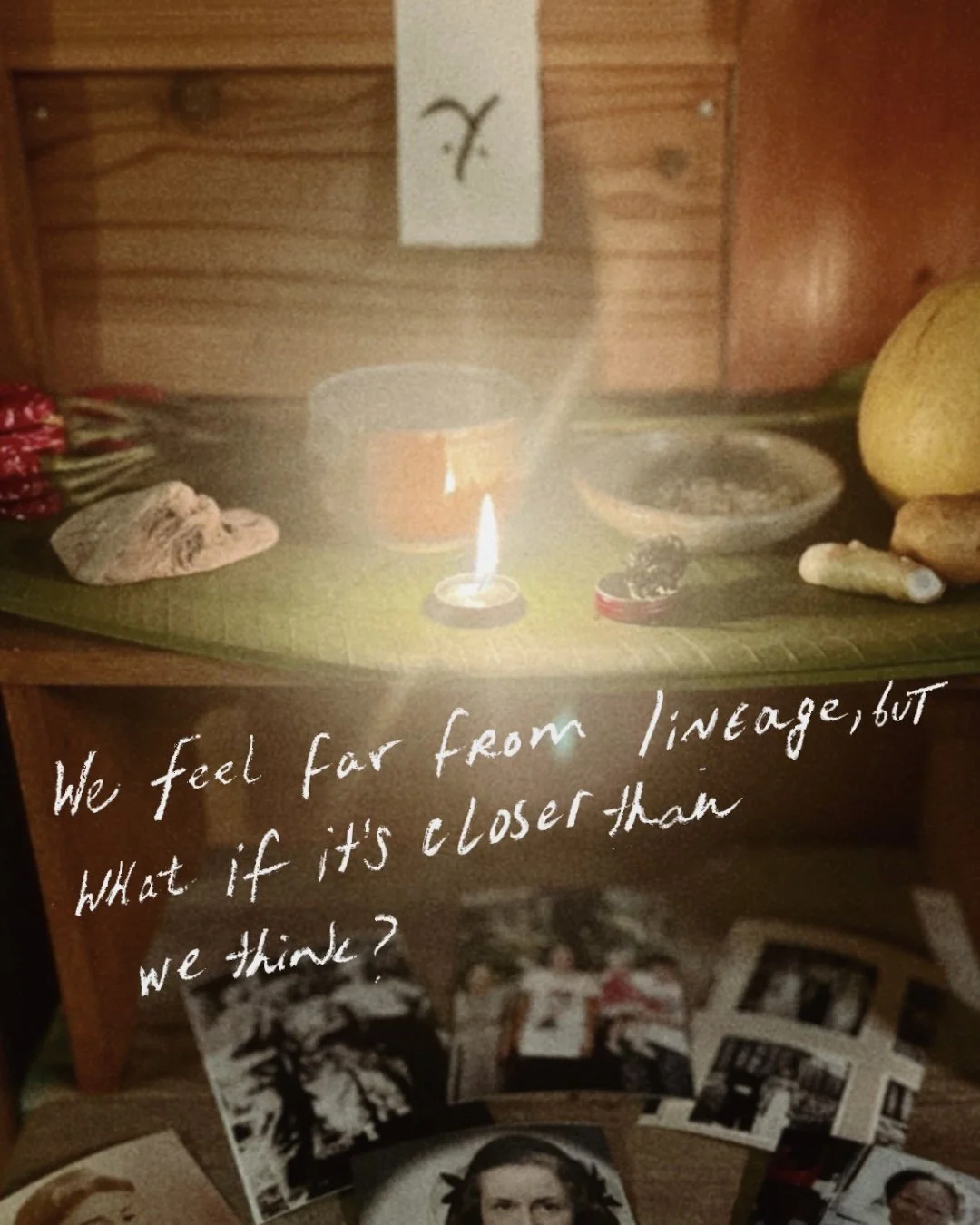
Kitchen altar & household deities
Rituals for pregnancy, birth, postpartum & loss
Protective folk crafts & talismans
Cord cutting, placenta & umbilical care traditions

WEEK 2 - FOOD & NOURISHMENT
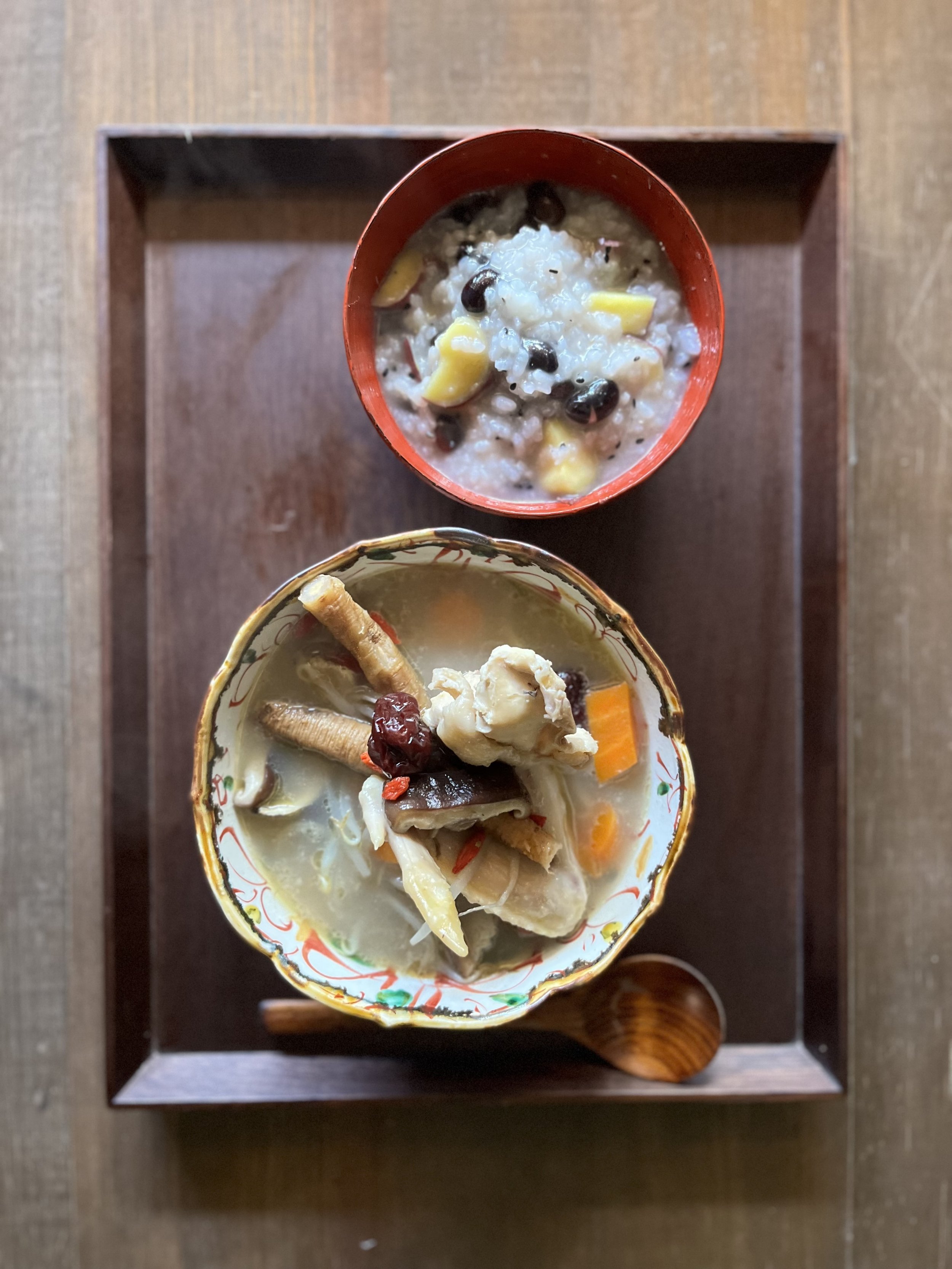
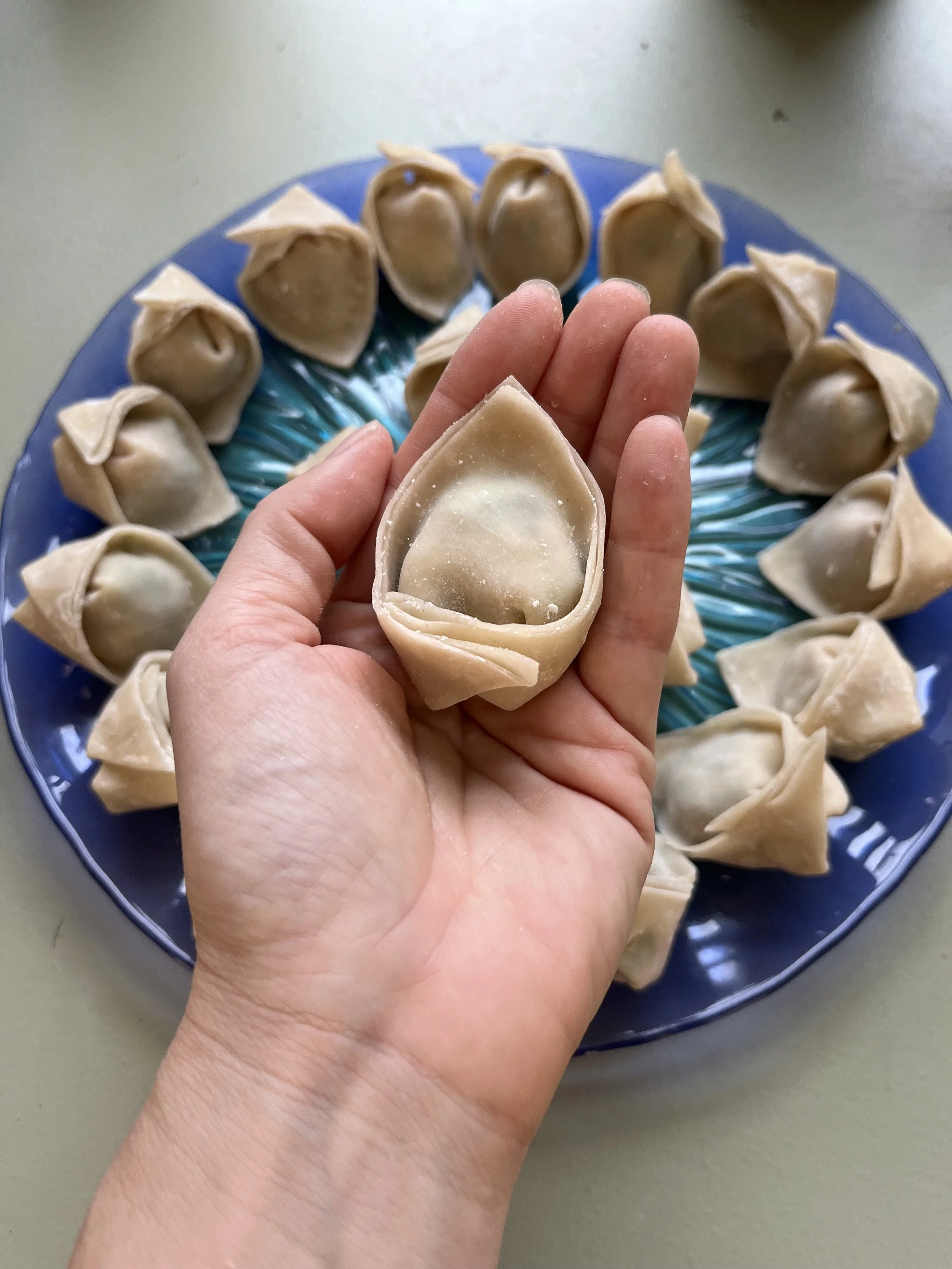
Rematriating our kitchens
Ancestral food technologies
East Asian food principles (energetics of food, food as medicine)
Japanese and Korean foods for menarche, menstruation & postpartum

WEEK 3 - FOOD INHERITANCE & TRANSMISSION
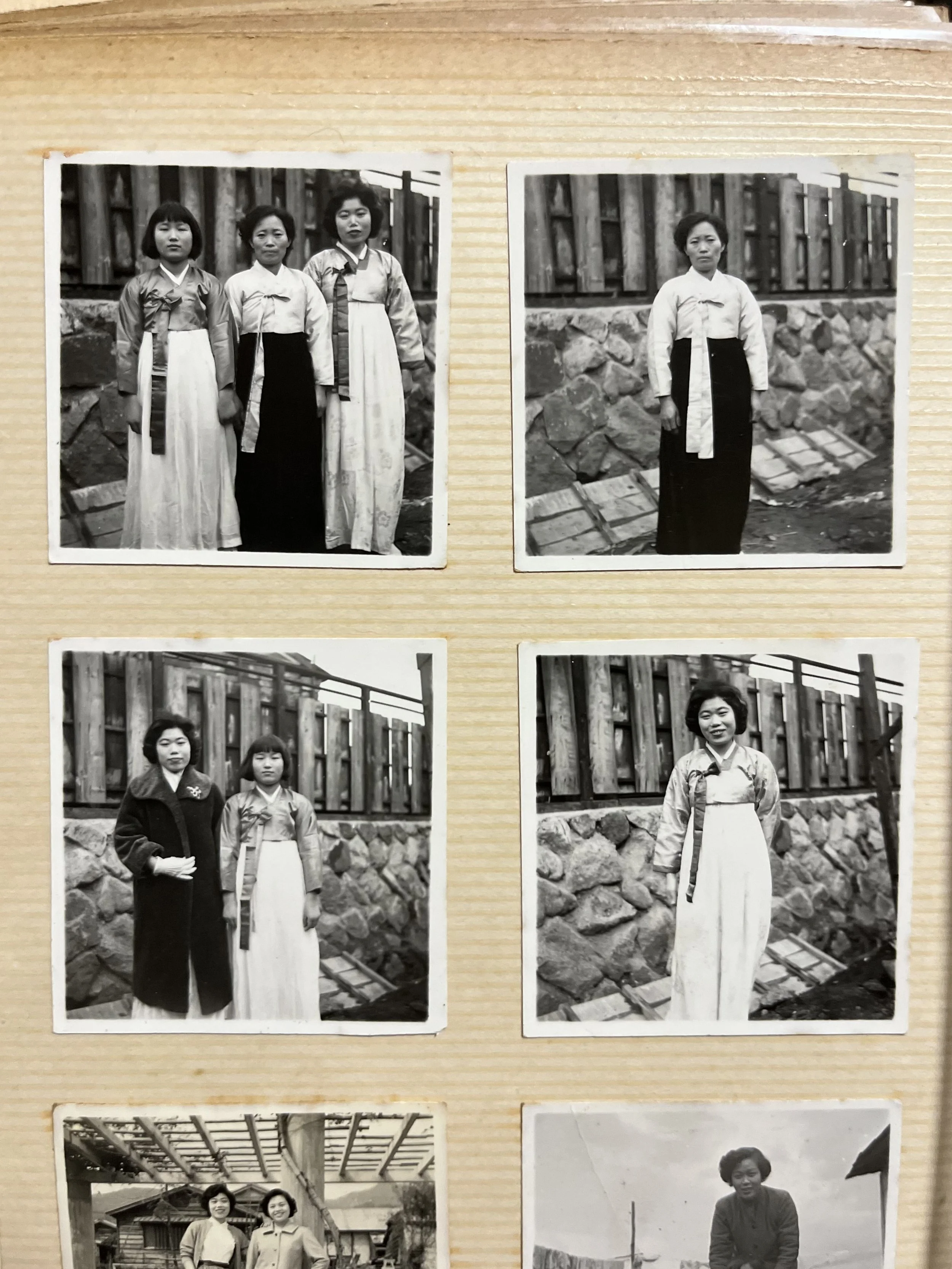
Food as lineage
My grandmother’s recorded transmission
Writing our family recipe-stories into intention
(COMMUNITY RECIPE BOOK MAKING)
WEEK 4 - HEALING WITH MICROBES
Fermentation as a practice of transformation & agency
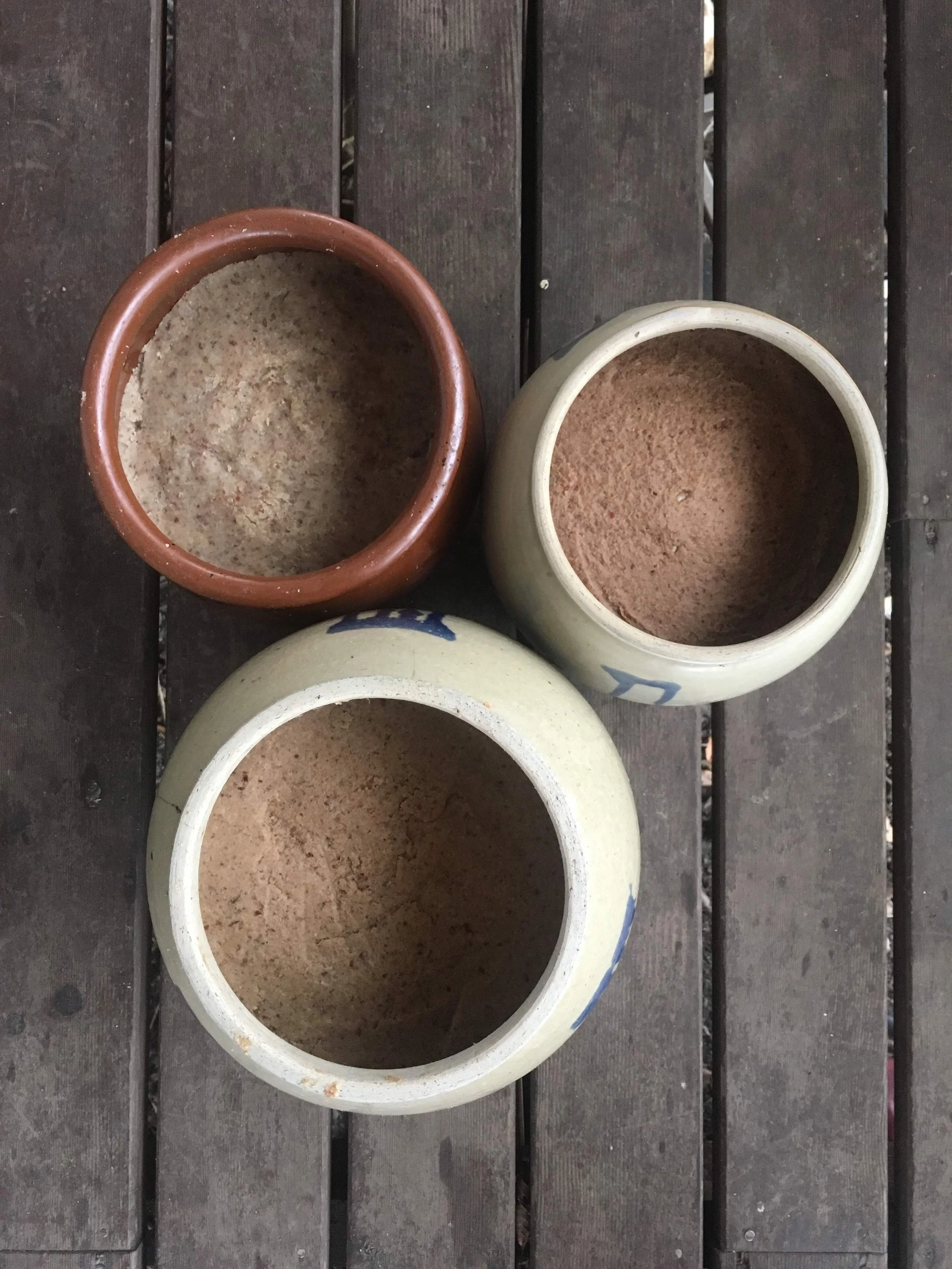
Miso-making with a sacred-staple grain
from your culture or the land you inhabit (WORKSHOP)
WEEK 5 - BODY & CLOTH
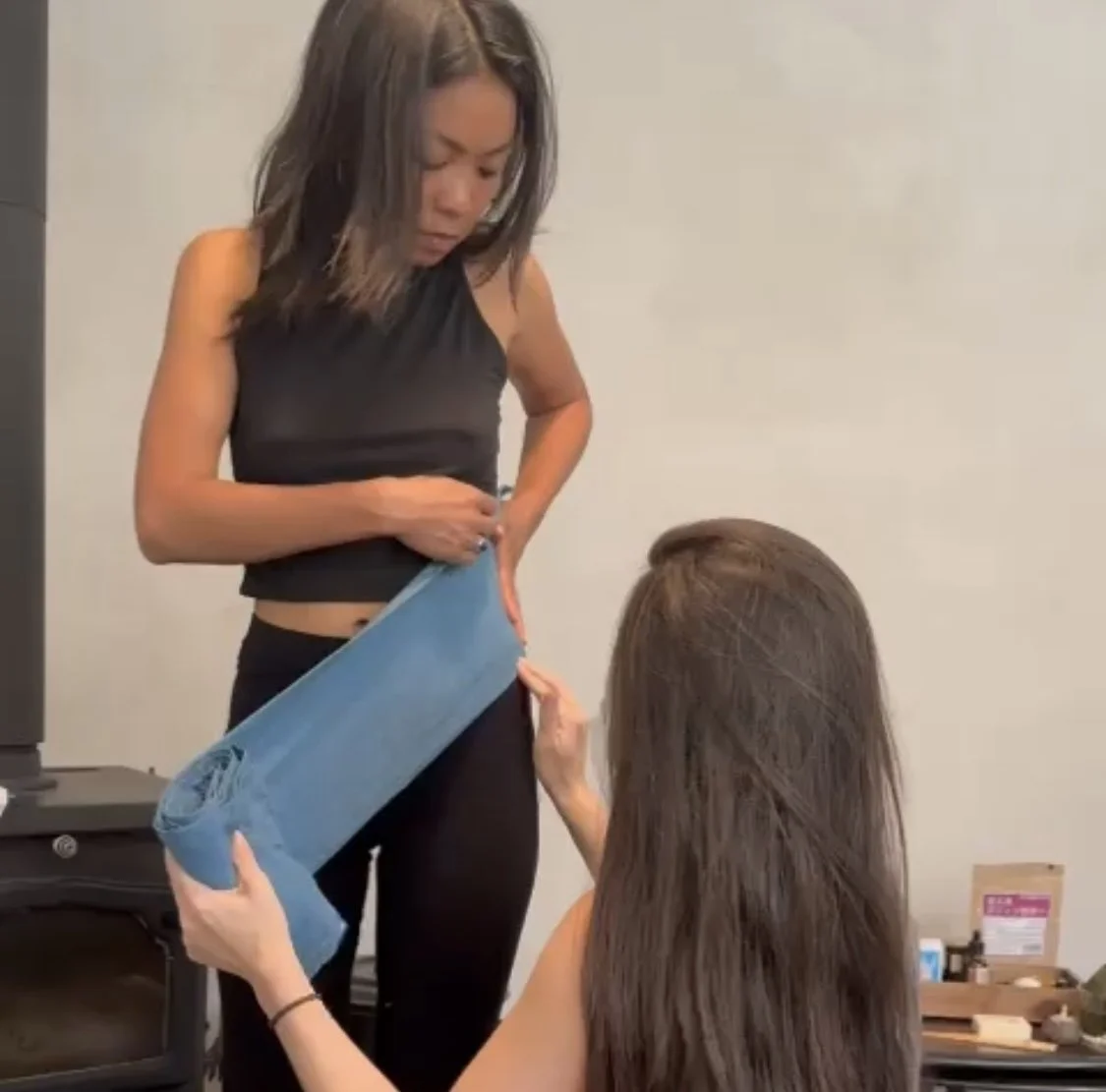
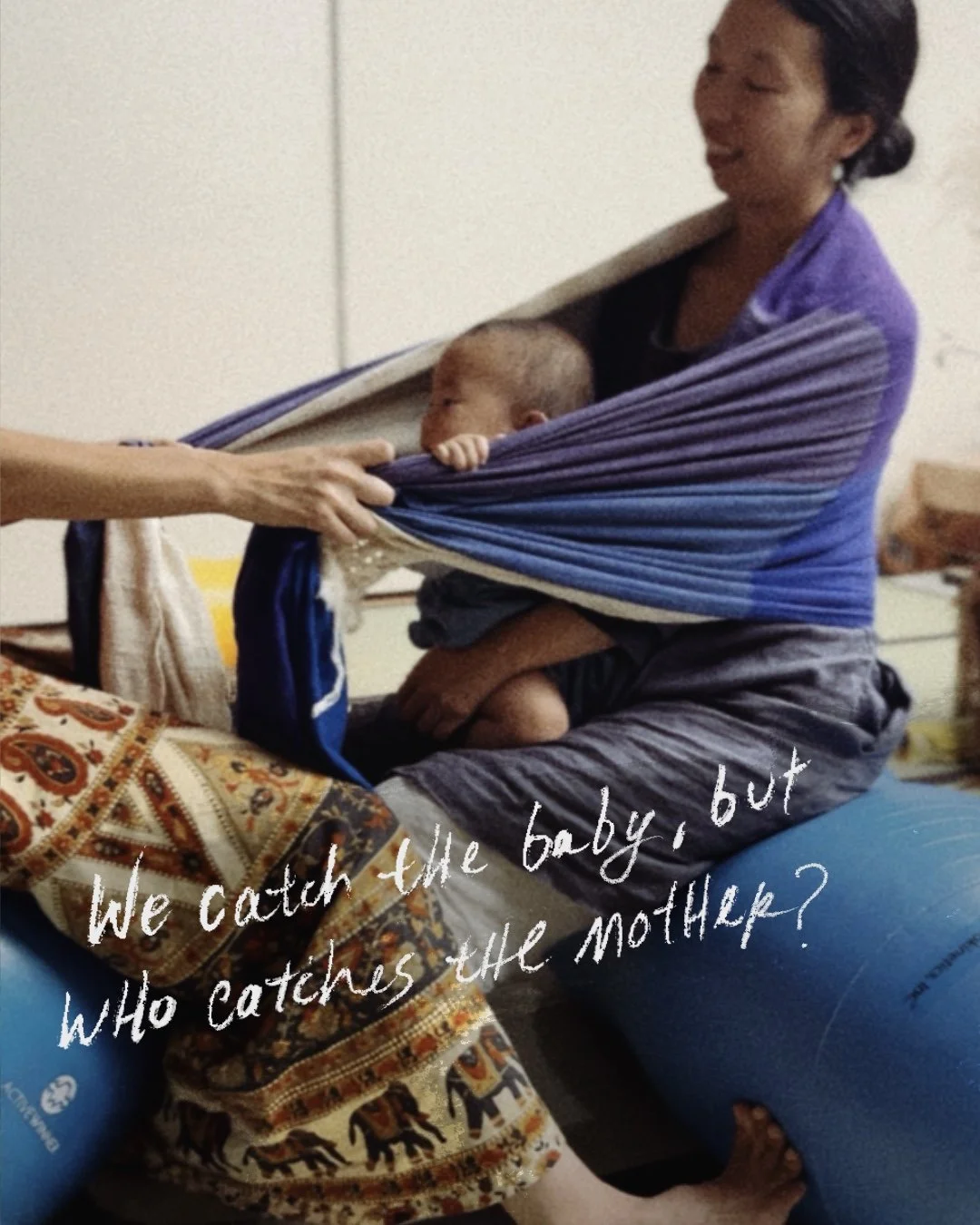
Cloth that holds us
Eastern ways of relating to the body
Traditional clothing for womb health
Pelvic wrapping with the sarashi cloth
Womb-tending plants of East Asia

WEEK 6 - ELEMENTAL FOLK HEALING
Tending with heat, plants & traditional remedies
Moxa, baths, steams & compresses
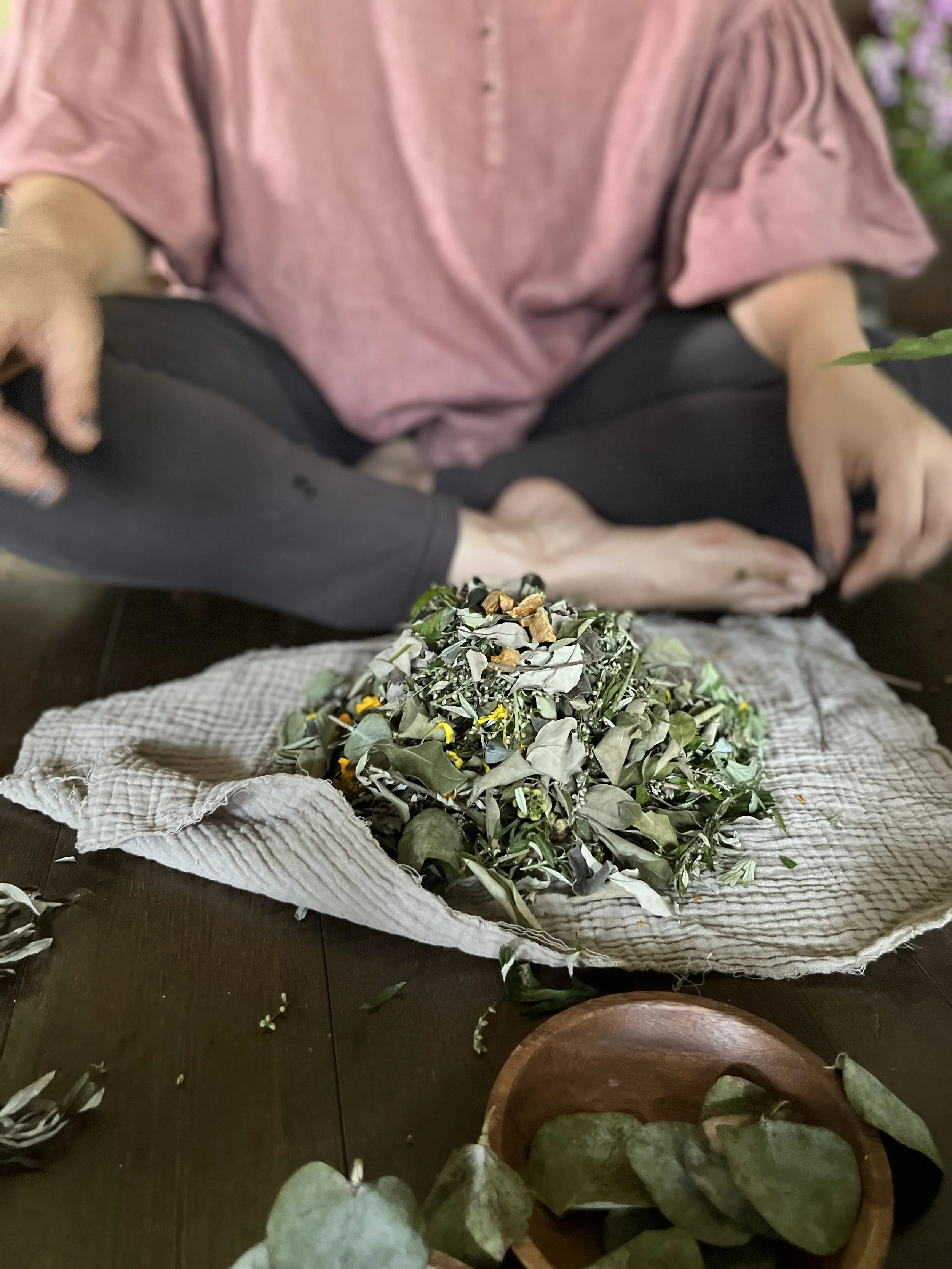
Thai herbal compress ball making (WORKSHOP)

What to expect :
Because this course includes a self-inquiry component for tracing your roots, you’ll receive prompts to reflect on your own time .
There will be a few workshop-style classes that will require some materials to be prepared in advance.
Together, we will each unearth a family recipe-story, and bring these into a collective recipe book.
There will also be a Telegram group to exchange information and connect during this time.
I have found these courses to be most meaningful when we can share the experience together in real time, rather than just watching the recordings later - though I completely understand that time difference and life responsibilities sometimes make this necessary! My wish is for active participation whenever possible in this co-creation.
Classes will be about ~ 1.5 hrs long and recordings will be available!
Thank you!


“I just wanted to say this whole course was really, really incredible. Honestly, I gained so much from it! I do a lot of online learning and this is one of the best groups I have ever participated in. You’re such a knowledgeable, generous and welcoming teacher. So grateful to have been a part of it even though I couldn’t always join live.”
-Emmie
“Taking “Earthen Ways of Tending the Mother” with [Monica] has inspired me so much to incorporate elemental, herbal, and ancestrally rooted care into my work. Working with the Hearth as cosmology and bringing artistry into birthwork.”
-Aya
“With a rare intentionality and gentle grace, Monica generously offers an incredible curation of intercultural wisdom for supporting mothers throughout the prenatal, birth, and postpartum periods. As an American individual of half Chinese descent raised in the context of assimilation, very little traditional knowledge has been explicitly passed down my way. for that reason, participating in this course felt particularly connective.”
-Noel
『これまで”手当て”は単なるケアだと思っていたけど、自分自身や風土とのつながりの中で育まれ、還元されていくものだと知りました!知識やスキルだけでなく、その背景にある必要性や美しさまで教わることができたのはモニカのクラスならではだと感じています。』
-夕芽

Monica Laflamme
I am a Zainichi Korean / Canadian based in rural Japan. I returned to my birth land about nine years ago with the hope of reconnecting with my Asian roots. Guided by a message from a dream, I began working with foodways as a way to explore my personal origins. This journey led me from farming and homesteading to traditional fermentation, folk remedies, and eventually to birthwork and postpartum care. My knowledge is primarily rooted in folk East Asian womb-tending practices, which I have further expanded through my studies in Thailand.
Some of my past teachers have been Kim Tosun (my grandmother), the local aunties, the local birth workers, Homprang Chaleekanha, Rachelle Seliga, Raeanne Madison, and many more who have shaped and influenced me. But perhaps most simply - and consistently - it has been the land itself that continues to teach me.
I am deeply inspired by slower, hands-on ways of living - not only because it is vital to know how to create and tend with our own hands, but also because it offers a way to reimagine and shape new ways of being with each other and the (natural) world today.
-
This is open to anyone, because caring for wombs is community care. There have been past participants that were artists, nutritionists, farmers, school teachers, textile artist, someone with a pregnant sister / neighbor etc.
-
Not at all.
The knowledge shared in this course is relevant to anyone interested, regardless of where you live or your cultural background. Many of the recipes and plants I discuss can be sourced or adapted to your local region.
While I teach from an East Asian lens, there will be an invitation to explore your own roots (regardless of how connected you may or may not be to them).
Together, we’ll weave stories of multi-cultural, diasporic identities, and the many complex layers of being human today - and how all of this connects to our sense of wellbeing and wholeness.
-
Many of these tending practices can be applied to general womb care and self-care.
-
Yes, but it is highly encouraged to join in real time whenever possible! Recordings will be available to watch for 6 months after the course ends.
-
There are 2 partial scholarships available. Please write to kamadostories@gmail.com and briefly share about yourself and how this can help support you and your community.
-
Refunds are not available after purchase.